Why Play Matters
Play is the child’s lab, where trial and error teach more than any lecture could. It’s through play that preschoolers develop problem-solving skills, flex their creative muscles, and explore the realm of cause and effect.
A Playful Foundation
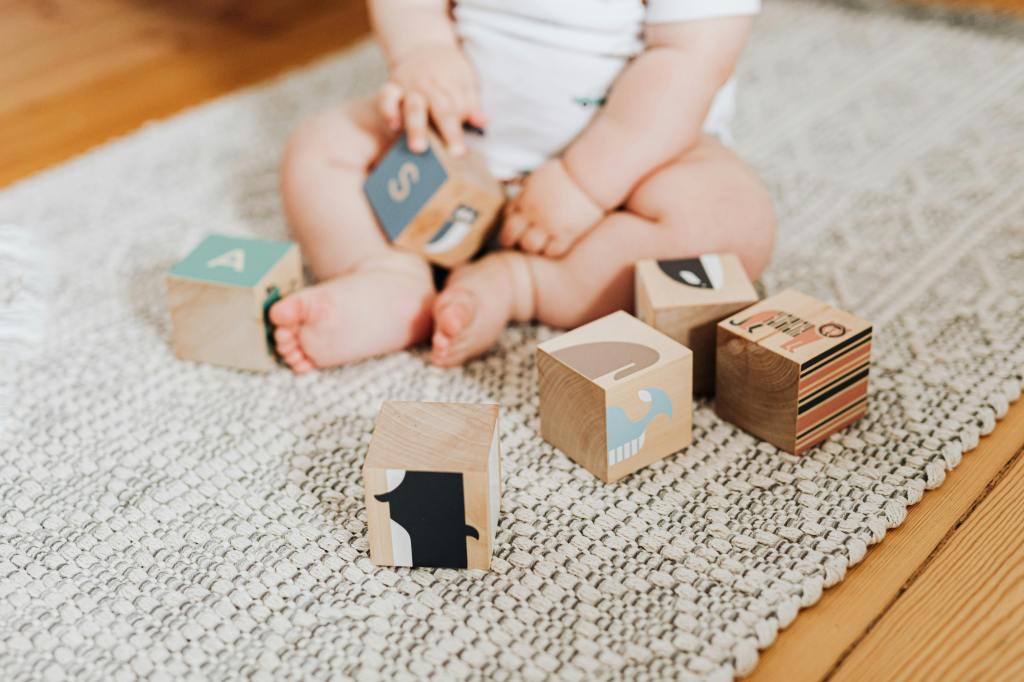
Constructive Play: The Building Blocks of Learning
- Foundation: Just as blocks stack to form structures, constructive play builds cognitive skills.
- Advice: Offer a variety of building materials. Watch as your child learns through stacking, balancing, and creating.
Pretend Play: Dress-Up for the Mind
- Foundation: Pretend play isn’t just fun—it’s a child’s practice run for real-life scenarios.
- Advice: Encourage role-play. As they act out stories, they’re also rehearsing cognitive and social skills.
Game Play: Learning’s Chessboard
- Foundation: Board games are the stealth teachers of patience, strategy, and critical thinking.
- Advice: Introduce simple games that require turn-taking and rule-following. These games teach foresight and self-control.

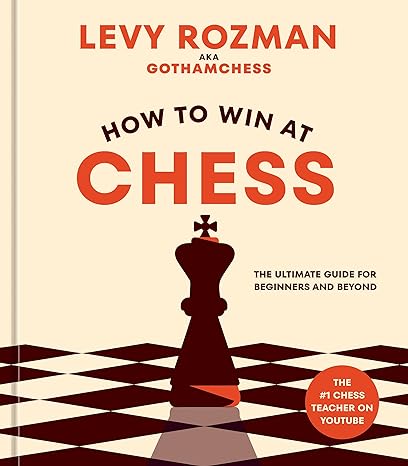
For bigger kids (from 7 year’s old) Grandmaster Murray Chandler finished second in the World Cadet Championship in 1976, ahead of Garry Kasparov, whom he defeated in their individual game. He remains to this day one of the few players in the world with a 100% score against Kasparov.
For smaller kids (until 5 year’s old) – Familiarize in a funny way with the chess pieces and their movements
Puzzle Play: Piecing Together Problem-Solving
- Foundation: Puzzles are like cognitive workouts, stretching the mind to see the big picture.
- Advice: Offer puzzles of increasing complexity. As children fit pieces together, they’re also connecting cognitive dots.
Outdoor Play: Nature’s Classroom
- Foundation: The great outdoors offers an open-ended learning experience that sharpens observation and inquiry.
- Advice: Explore nature. The sensory experiences outdoors prompt questions, engage the senses, and cultivate curiosity.
The Power of Playful Learning
Through play, children learn to think. They strategize, predict, and analyze. These early cognitive experiences set the stage for lifelong learning.
So, let them play. In their world, play is serious business. It’s the joyous pursuit where cognitive skills blossom. As parents and educators, when we value and encourage play, we unlock a chest of cognitive treasures for our children.
Remember, the mind of a child is a fertile field, and play is the water that lets it thrive. Nurture it, and watch as the seeds of cognitive abilities grow, setting roots for a lifetime of thinking, learning, and problem-solving.
 Brainy Cubs