Ah, mindfulness and emotional regulation—two fancy terms for “how to help your child not melt into a puddle of chaos every time something doesn’t go their way.” Sounds like magic, right? It kind of is, but like all magic, it takes a bit of practice. Imagine giving your child the power to pause, breathe, and actually think before they go into full-on meltdown mode. It’s like a superpower for both of you! So, let’s break it down in a way that’s realistic, fun, and maybe even a little bit funny. Because if we can’t laugh through parenting, we’re all doomed.
Why Mindfulness Matters (Hint: It’s More Than Sitting Still)
First things first: mindfulness isn’t about turning your child into a little Buddha who sits cross-legged and ponders the meaning of life. It’s about teaching them to pause before reacting—to take a breath before throwing the nearest toy across the room in a fit of rage because their sibling looked at them wrong. Emotional regulation is the result: learning to manage those big feelings without turning the living room into a scene from a soap opera.
Did you know? Mindfulness actually changes the brain! Studies show that practicing mindfulness can help kids improve their focus, emotional control, and even sleep better (which, let’s be honest, benefits everyone).
Practical Tips for Teaching Mindfulness
Now that we know why it’s important, how do we actually do this? Spoiler: it’s not about getting your child to sit quietly for 20 minutes in deep meditation. (Ha! As if.)
Start with Breathing (The Calmer, the Better)
When kids get upset, their brains go into “fight or flight” mode. The best way to hit the brakes? Breathing. Yep, simple as that.
Try this: Tell your child they’re a “Calm Dragon.” Dragons can blow big, fiery breaths, but your child’s job is to blow calm fire. Inhale through the nose (like they’re smelling flowers), and exhale through the mouth (like they’re blowing out candles). Do this three times. Boom. Instant calm. (Well, most of the time.)
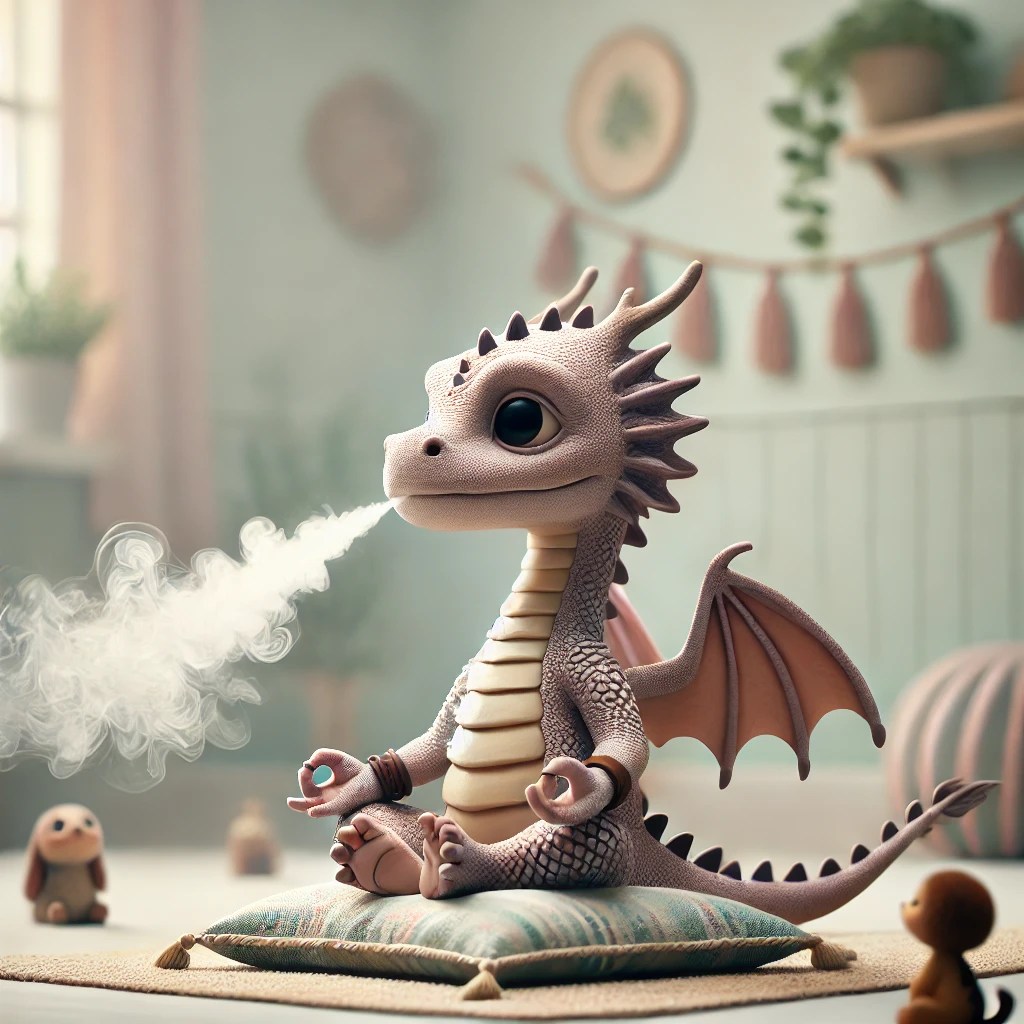
Fun Fact: Deep breathing actually sends signals to the brain that it’s okay to chill out, even when emotions are running high. Think of it as sending a “chill pill” straight to their nervous system.
Use the “5 Senses” Trick
When emotions are high, distraction is your friend. Help your child reconnect with the present moment by focusing on their senses.
Try this: Ask your child to look around and name:
- 5 things they can see,
- 4 things they can touch,
- 3 things they can hear,
- 2 things they can smell,
- 1 thing they can taste.

It’s like an emotional reset button that gets them out of their head and back into the present. Plus, it’s way more fun than just telling them to “calm down” (which never works, let’s be real).
Create a “Calm-Down Kit”
Sometimes kids just need a space to chill. Instead of telling them to “go to your room” in the heat of the moment, why not make their room (or a cozy corner) a calming place?
Try this: Fill a “calm-down kit” with items like:
- Stress balls,
- Squishy toys,
- Coloring books,
- A small blanket for cozy snuggles,
- Headphones with calming music,
- A favorite book.
Let them head to their chill zone when they need to regroup. This teaches them that it’s okay to take a break when emotions feel overwhelming—and it’s way better than yelling at their sibling for “breathing too loudly.”
Tip: Personalize it! Some kids like fidget toys, others like stuffed animals—whatever helps them feel safe and calm works.
Helping Kids Name Their Feelings (So They Don’t Just Scream Them)
One of the best gifts you can give your child is the ability to name their feelings. This doesn’t mean they’ll never cry in the middle of Target again, but it does mean they’ll have a better chance of saying, “I’m mad!” instead of turning into the Tasmanian Devil.
Try this: Create an “emotion chart” with faces or pictures of different feelings: happy, sad, mad, frustrated, excited, and tired. When they’re upset, ask them to point to how they feel. It’s easier for them to express themselves with visuals, and it helps build emotional vocabulary.
Did you know? Kids as young as two can start to learn emotional vocabulary. They might not always use it correctly (calling everything “mad”), but it’s a step in the right direction.
Teach the “Pause Button” (It’s Not Just for TV)
Kids often act before they think. The goal of emotional regulation is to teach them how to hit the “pause” button before reacting. This isn’t about being a perfect little angel—it’s about giving them a moment to decide how to react, instead of letting emotions run the show.
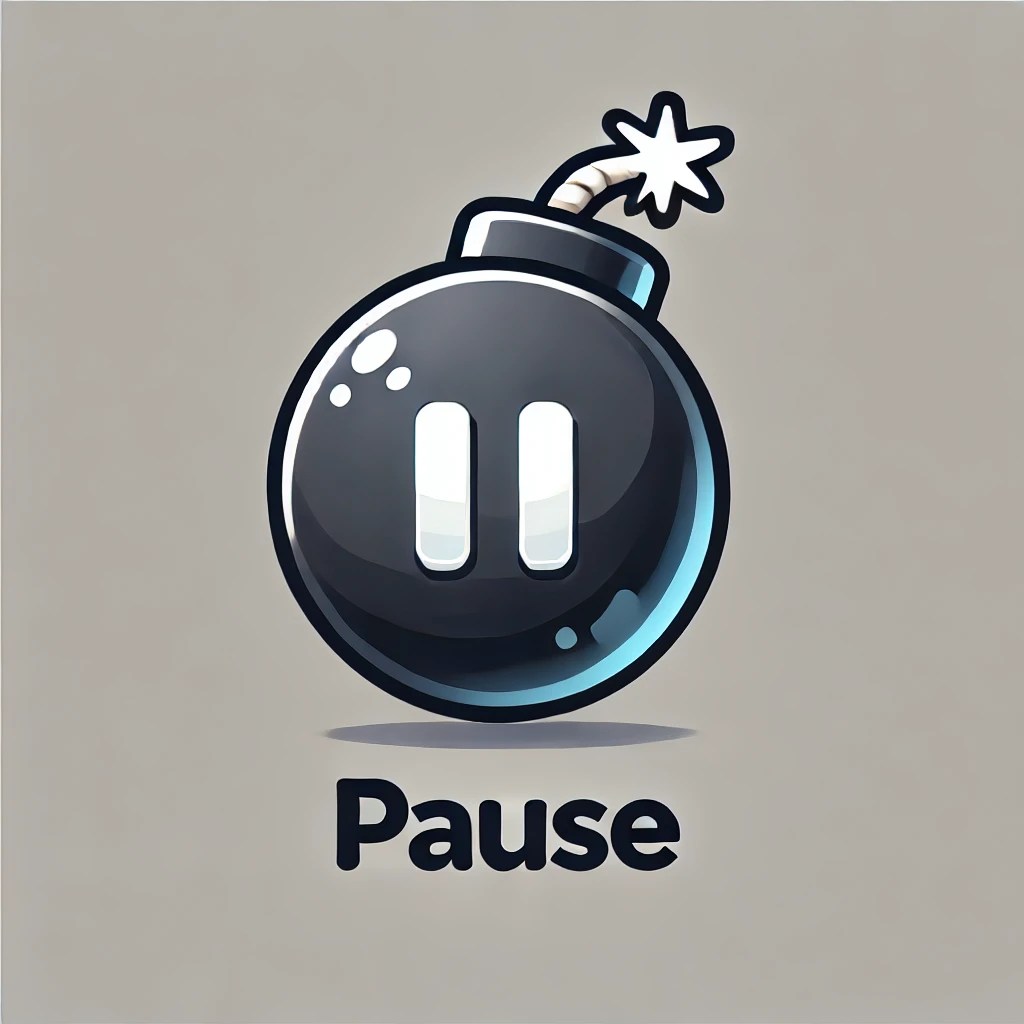
Try this: Next time your child starts to lose it, say “Pause!” (Bonus points if you pretend to push an imaginary button.) Then ask them to take one deep breath before continuing. Sometimes, just pausing can stop a full meltdown in its tracks. You can even make it into a game—every time they successfully pause before reacting, they earn a “pause point.” When they rack up a few, celebrate with a small reward.
Summary: Key Takeaways
Parenting through emotions is tough. Teaching mindfulness and emotional regulation can feel like trying to catch a tornado in a butterfly net, but with a little patience (and maybe a lot of breathing exercises), your child can learn these essential skills:
- Mindfulness starts with the breath. Teach your child “Calm Dragon” breathing to help them regain control in the heat of the moment.
- Engage the senses. The “5 Senses” trick is a simple way to bring them back to the present when their emotions are spinning out of control.
- Create a calming space. A “calm-down kit” gives your child a safe place to regroup, rather than escalating into full-blown tantrums.
- Help them name their feelings. The more they can identify their emotions, the easier it is to manage them.
- Teach them to pause. Before reacting, encourage them to hit the “pause button” and take a moment to think.
Remember, this process isn’t about perfection—it’s about progress. Every small step they take toward managing their feelings is a big win, and every deep breath is one less meltdown. So, the next time your child seems ready to explode, take a deep breath together, and remind yourself: you’ve got this.
 Brainy Cubs