Alright, fellow parents, let’s talk about emotions. We all know kids have big feelings—like, really big. One minute they’re on top of the world because they found a perfectly-shaped leaf, and the next, the world is ending because their cookie broke in half. (The horror!)
So how do we help them handle all these feels without turning into pint-sized emotional hurricanes? The answer: emotional literacy. Yep, it’s a real thing, and it’s as important as learning to read or count. Emotional literacy is all about helping kids identify, label, and express their emotions so that, hopefully, they don’t resort to flopping on the floor screaming “I’M ANGRY” like a dramatic soap opera star. (Though we’ve all been there.)
Why Emotional Literacy Matters
Think of emotional literacy like a toolbox for feelings. When kids can name their emotions, they’re better able to manage them. Instead of going straight from mildly annoyed to complete meltdown, they learn to recognize what they’re feeling and deal with it before it spirals out of control.
Did you know? Research shows that kids who are emotionally literate tend to have better social skills, stronger relationships, and fewer behavioral problems. In other words, it’s worth every second of trying to get them to say “I feel frustrated” instead of throwing Legos at their sibling.
Practical Tips for Building Emotional Literacy
Now that we know why it’s important, how do we actually help our kids develop this oh-so-magical skill? The good news is that you don’t need to be a child psychologist or have a degree in Zen parenting. You just need a few fun tools and a bit of patience (and maybe some coffee).
1. The Emotion Wheel: Spin the Feelings
Think of an emotion wheel as the “mood menu” for kids. It’s a colorful circle divided into different emotions—happy, sad, angry, excited, confused, etc. When kids have a hard time figuring out what they’re feeling, you can whip out the wheel and let them point to the right slice.
Try this: Make an emotion wheel with your child (or download one online if you’re not the crafty type—no judgment here!). Ask them to pick how they’re feeling when they seem upset or overwhelmed. It helps take the guesswork out of their emotions and gives them the words they need to express themselves.
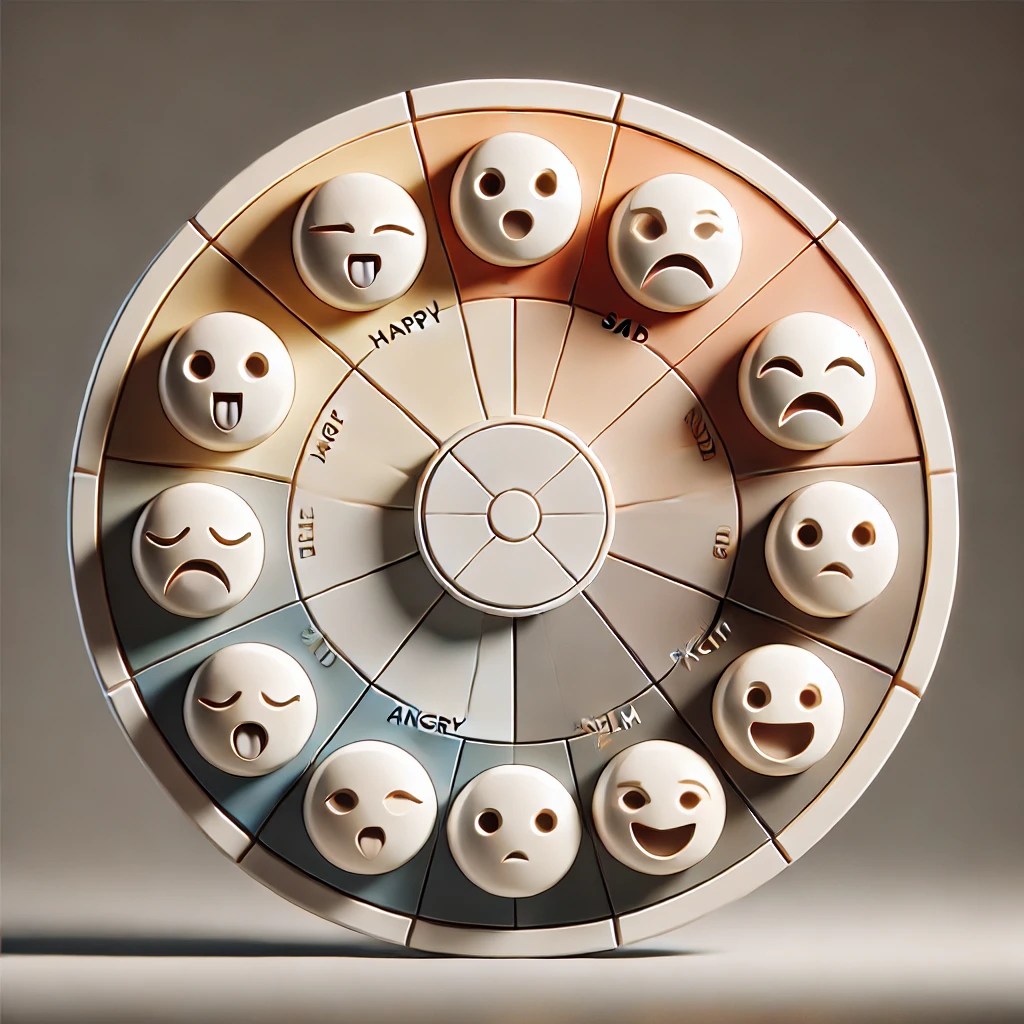
Tip: You can even turn it into a game! “Spin the Wheel of Feels” and let them explain a time when they felt each emotion.
Fun Fact: Studies show that labeling emotions actually reduces the intensity of those feelings. So just naming that they’re mad can make them feel less mad. Magic, right?
2. Emotion Journals: A Safe Place to Feel All the Feels
Journaling isn’t just for angsty teenagers—it’s an awesome way for younger kids to reflect on their day and process emotions. The key is keeping it simple and fun, not like some dreaded homework assignment. You don’t need to hand them a blank notebook and expect Shakespearean-level reflections on the meaning of life.
Try this: Set aside 5-10 minutes a day for them to draw or write about how they’re feeling. Younger kids can draw faces for how they felt during different parts of their day (morning, afternoon, bedtime), while older kids can jot down thoughts like “I felt really frustrated when my friend didn’t share” or “I was happy when we played soccer.”
Tip: If your child is reluctant, you can do it together! “Let’s both write about what made us happy today.” Modeling the behavior can help them feel more comfortable.
Bonus Tip: Make it fun! Grab some stickers, colored pencils, or even emoji stamps to decorate their journal. Who said feelings can’t be colorful?
3. Guided Discussions: Let’s Talk About Feelings (Without Making It Awkward)
Talking about emotions doesn’t have to be a serious sit-down conversation every time. In fact, the more casual you make it, the more likely your child is to open up. Think of it like sneaking veggies into mac and cheese—they don’t even realize they’re doing something healthy!
Try this: After a big event or meltdown, try asking open-ended questions like, “How did you feel when that happened?” or “What do you think made you feel so upset?” Avoid yes/no questions, and try to avoid jumping in with solutions (easier said than done, I know). The goal is to help them reflect and name the emotions themselves.
Tip: Use stories or characters from their favorite books or movies. “Remember when Elsa felt scared of her powers? What do you think she was feeling?” It’s less personal, so kids often feel more comfortable talking about feelings in a fictional context.
Fun Activity: Create Your Own “Feelings Chart”
Take a big poster board and draw a variety of faces showing different emotions. Happy, sad, angry, frustrated, surprised, proud—get creative! Every day, ask your child to point to how they’re feeling, or use the chart when they seem upset to help them find the words.
Try this: After identifying their feelings, encourage them to choose a solution: “What can we do to help when you’re feeling this way? Should we take deep breaths? Have some quiet time? Hug it out?” Not only does this give them power over their emotions, but it also teaches problem-solving in the process.
Did you know? When kids have a visual representation of emotions (like charts, wheels, or faces), they’re more likely to identify and express their feelings. Sometimes, they just need a little help connecting the dots!
Summary: Key Takeaways
Teaching emotional literacy isn’t about getting kids to be calm, cool, and collected 100% of the time (if only!). It’s about giving them the tools to understand and express their emotions instead of being overwhelmed by them. And hey, we adults could probably use a refresher in emotional literacy too—because let’s face it, we’ve all had our cookie-crumbling moments.
Here’s what to remember:
- Emotion Wheels: Help kids identify their feelings by making it fun and visual.
- Emotion Journals: Encourage reflection in a creative, non-intimidating way.
- Guided Discussions: Keep conversations about feelings casual and open-ended, so kids feel comfortable sharing.
- Activity Charts: Use visual tools like feelings charts to connect emotions with actions and solutions.
With a bit of practice, your child will start recognizing their emotions before they hit tornado-level intensity. And who knows? You might even avoid a meltdown or two. Now that’s a win!
 Brainy Cubs