Hello, brave parent. Congratulations on making it here—through meltdowns over mismatched socks, the magic art of sharing, and emotions that hit like waves. You’ve officially arrived at the Social-Emotional Learning (SEL) survival zone for parents. Now, we’re about to embark on a journey of understanding just why SEL feels like a cross between magical parenting voodoo and a marathon where someone keeps moving the finish line.
Let’s be real for a second. If SEL were a plant, it would be a cactus that needs constant misting: prickly, stubborn, and somehow still demanding more attention. You might have started this journey thinking, Oh, SEL will be so good for my kid! And now you’re here, possibly just a little tired and wondering if your child will ever manage a conversation without morphing into a tiny whirlwind of emotion.
Here’s the thing: teaching kids how to handle feelings is hard. It’s hard for us, the so-called “grown-ups,” and for them—these endlessly creative, stubborn little beings who are convinced that bedtime is an infringement of their basic human rights. But here’s why we push through the sticker charts, the emotional thermometers, and the countless “let’s try to use our words” talks: SEL gives them the tools to navigate life. And let’s be honest, it gives us a shot at keeping our sanity intact through at least one grocery store visit.
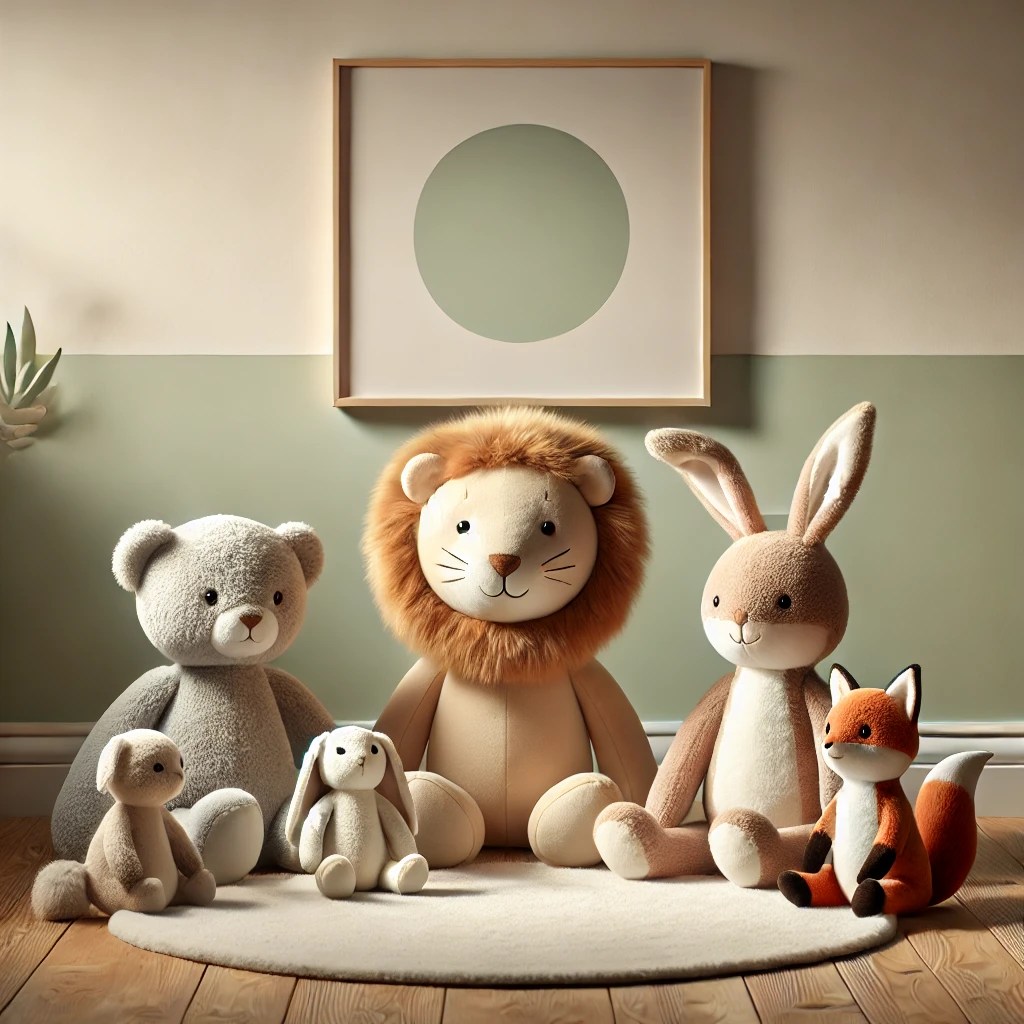
Over the next articles, we’ll explore how to help our kids try to take turns, maybe calm themselves down with deep breaths, and occasionally express their feelings with actual words instead of prehistoric-level grunts. We’ll become champions of “calm dragon breathing,” navigators of sibling negotiation, and coaches of kids who see “not getting their way” as a personal betrayal. Sure, it hasn’t always been glamorous, but every small victory (like a peaceful car ride or a toy-sharing incident that doesn’t end in Armageddon) reminds us why we’re here.
And here’s the best part: in the process, we’re learning just as much as they are. We’re learning how to show up with patience (or at least a well-timed eye roll), how to stay calm even when there’s marker on the walls, and maybe, just maybe, how to embrace the chaos with a sense of humor. Because if there’s anything we’ve learned, it’s that no one ever truly “masters” SEL. It’s a journey, one that we’re all stumbling through together, hoping for a few less meltdowns and a few more “I love you, Mom” moments.
So, in the next articles, we’ll dive into the chaos and beauty of SEL with a bit of humor, a pinch of reality, and maybe a dash of caffeine. We’ll cover everything from how to be a “calm dragon” during epic meltdowns to how to try to get your kid to appreciate the joy of taking turns (yes, it’s possible). You might laugh, you might cry, and you’ll definitely wonder why didn’t anyone tell me about this sooner?
Ready to turn those little emotional whirlwinds into grounded, self-aware, tiny people who can handle their big feelings? Grab your coffee (or your backup snack stash) and join us in this SEL survival guide for parents. Here’s to fewer tantrums, more calm dragons, and maybe even a moment of peace.
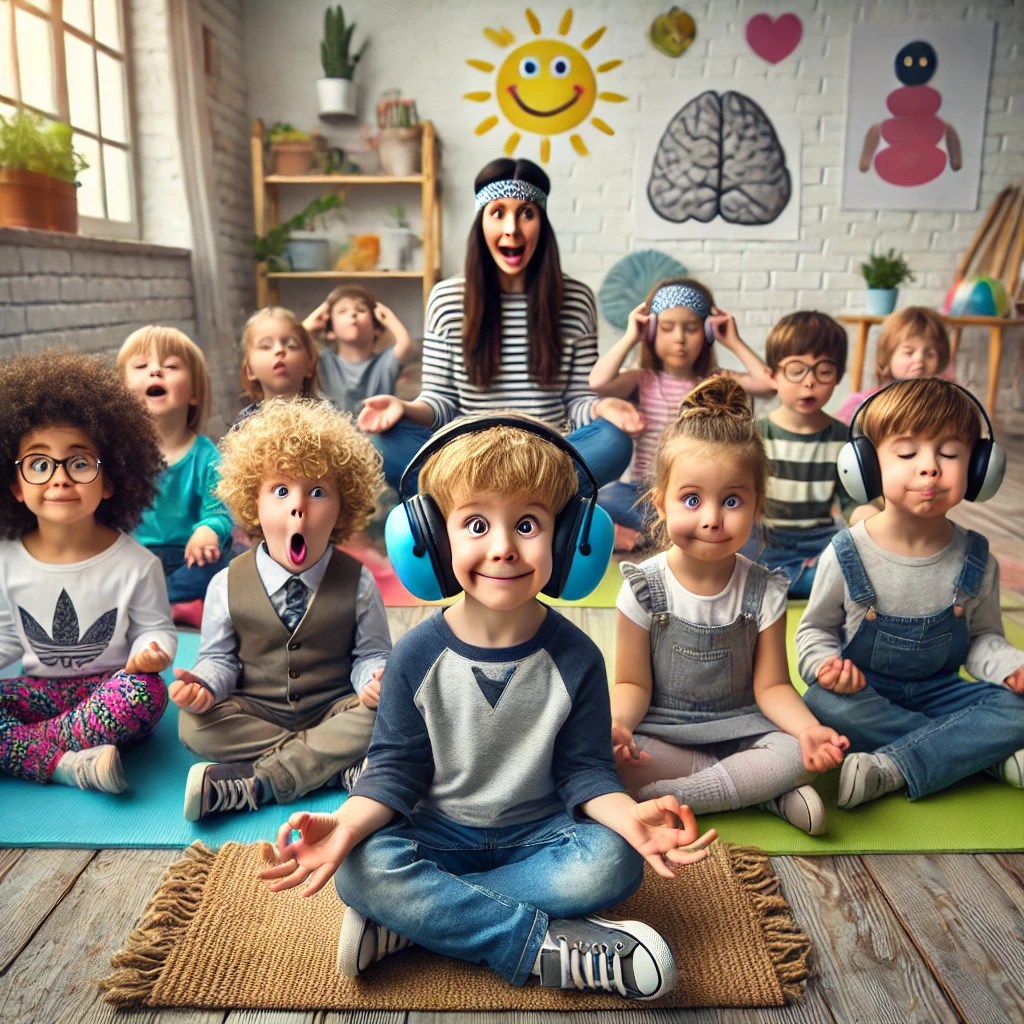
Mindfulness and Emotional Regulation
Teaching techniques like breathing exercises and meditation to manage stress, increase focus, and regulate emotions.

Helping children identify, label, and express their emotions through tools like emotion wheels, journals, or guided discussions to build self-awareness and communication skills.
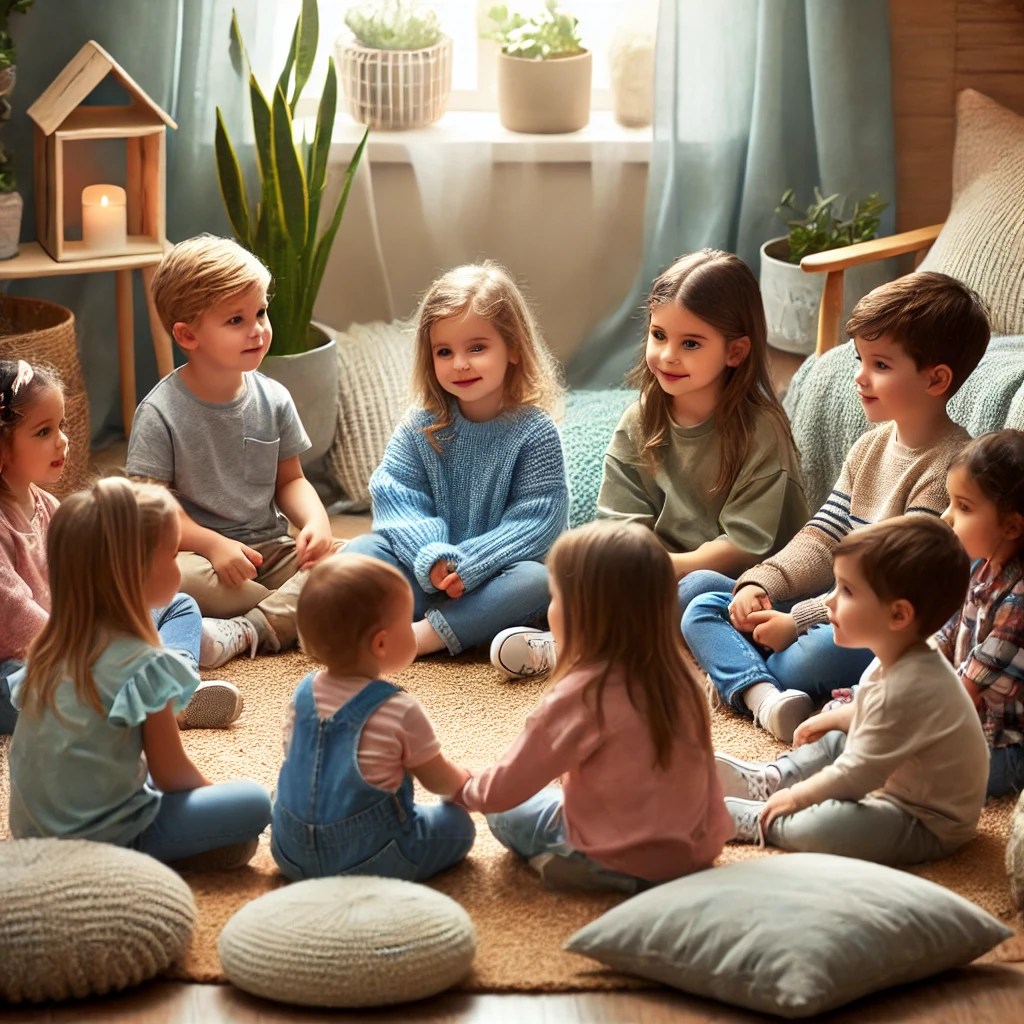
Fostering understanding and connection with others by encouraging activities such as storytelling, role-playing, and discussing other’s perspectives.
Subscribe
Enter your email below to receive updates.
 Brainy Cubs